App Lifecycle Management Explained (For Non-Developers)
August 25, 2026PUBLISHED INAI Development
 ali
 2026-08-25 13:56:00
 0
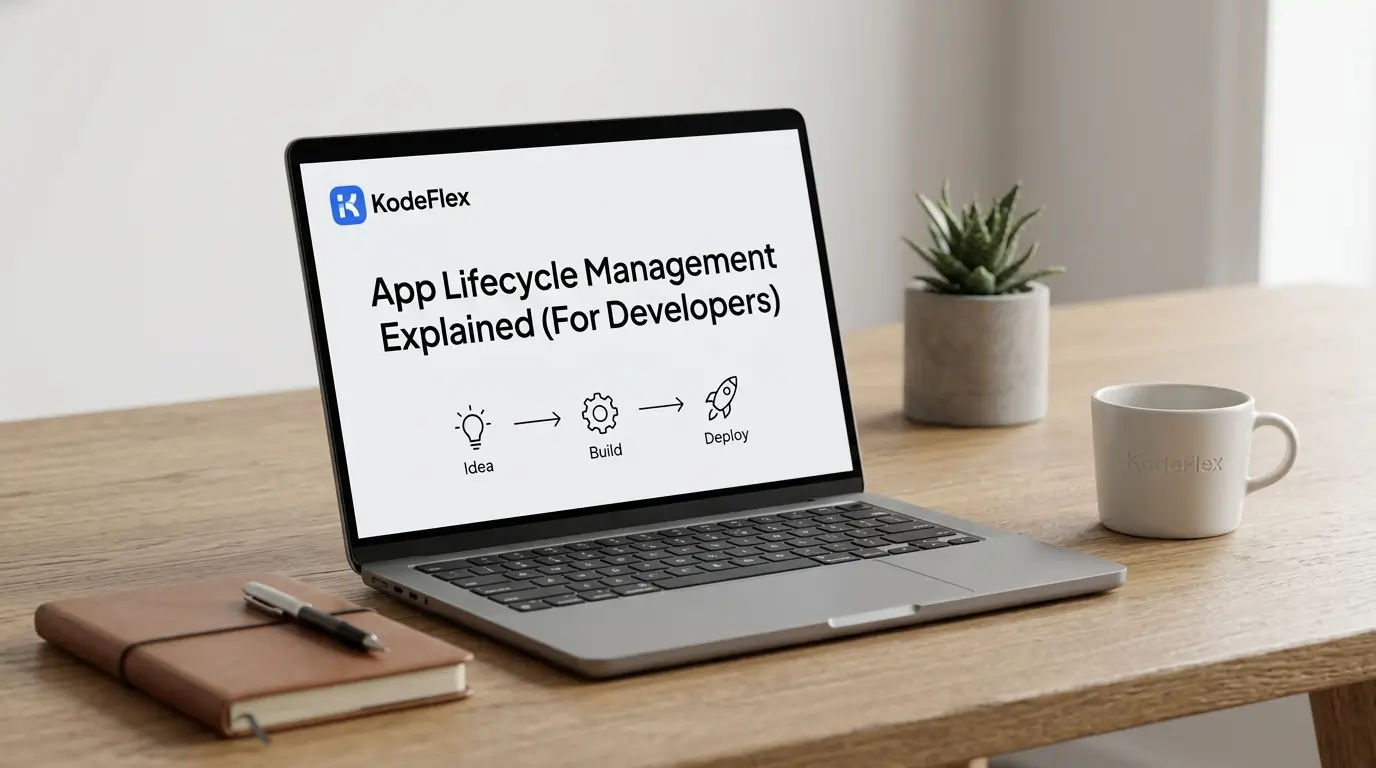
Building an app is one moment. Everything that happens to it afterward, testing changes, releasing updates, tracking versions, eventually retiring it, is a much longer story, and that longer story is what app lifecycle management actually refers to. It's easy to think of it as a purely technical, developer-only concern, but anyone who owns an internal tool ends up dealing with it whether they realize it or not.
The Stages, in Plain Language
Creation is the obvious one, building the app in the first place. Testing comes next, checking that changes work as intended before real people depend on them. Release is publishing a version people can actually use. Maintenance covers the ongoing small fixes and adjustments every app needs as it's used in practice. And retirement, the stage most people forget to plan for, is what happens when an app is no longer needed, archiving it properly rather than just letting it quietly rot with no one responsible for it.
Why This Matters Even for a Simple Approval App
It's tempting to think lifecycle management is only relevant for big, complex software projects. In practice, even a simple internal approval form goes through all five stages. Someone builds it. It gets used for months, maybe years. Along the way, a field gets added, a rule changes, a bug gets fixed. Eventually, the process it supports changes so much that the app needs replacing or shutting down. Skipping any of these stages, especially testing changes before they go live, is exactly where small internal tools quietly break and erode people's trust in them.
What Goes Wrong Without It
The most common failure is skipping the testing stage under time pressure, a change gets made directly to the live app because it seemed small, and it breaks something nobody expected. The second most common is neglecting the retirement stage entirely, apps nobody uses anymore keep running indefinitely, still holding data, still technically "live," with no owner and no plan, quietly becoming a small liability nobody's tracking.
How This Looks in Practice With KodeFlex
This is exactly what KodeFlex's unified application management is built to support: creating an app from a description, previewing and testing changes before they go live, releasing updates, and managing versions through instance management, all inside one system rather than scattered across separate tools and manual processes. A non-technical app owner can move through the full lifecycle without needing to understand it as a formal software engineering discipline, the platform structures it for them.
A Simple Way to Think About It
If you own an internal app, ask yourself: do I have a way to test a change before it affects real users? Do I know who's actually using this app right now? And if this app stopped being needed tomorrow, would anyone notice or clean it up? Those three questions cover most of what app lifecycle management is really about, in practical terms rather than technical ones.
Frequently Asked Questions
Is app lifecycle management only relevant for developers?
No, anyone who owns or manages an internal app deals with these stages, whether or not they think of it in formal lifecycle terms.
What's the most commonly skipped stage?
Testing changes before release, and retirement of apps that are no longer needed, are the two most frequently neglected stages in practice.
Does a simple internal app really need a formal lifecycle process?
It benefits from at least a lightweight version, particularly a way to test changes before they affect live users, even if it's not a formal, documented process.
What happens if an app is never formally retired?
It tends to keep running indefinitely, holding data and consuming resources, with no clear owner, quietly becoming a small operational or security liability.
How does KodeFlex simplify this for non-technical users?
By structuring creation, testing, release, and version management into the platform itself, so app owners don't need to build or understand a formal lifecycle process from scratch.
Want to see the full app lifecycle handled in one place?
Visit KodeFlex or request a demo to see it in action.
Related Blogs
What Is Workflow Orchestration? A Plain-English Guide